
Meanwhile, you might spend twenty minutes rewriting an ordinary email, agree to another project despite an already full calendar, or check a completed task long after it has been approved. By evening, you’re exhausted from both the work itself and the effort of trying to feel certain about every choice.
According to the American Psychological Association, stress can affect how we evaluate options, plan ahead, and make decisions. Anxiety can complicate matters further by making uncertainty feel particularly difficult to tolerate.
The interesting thing is that anxiety-led decisions often resemble perfectly respectable professional habits. Here’s how to recognize when those habits may be working against you.
1. Everything Feels More Urgent Than It Actually Is
An email arrives without a deadline, yet you immediately abandon your current task to answer it. A colleague asks for something next week, and you begin working on it today because having an unfinished request makes you uncomfortable.
Of course, some situations genuinely require immediate attention. The difficulty begins when every request receives emergency treatment, leaving little room for thoughtful prioritization.
The next time you feel compelled to respond immediately, ask yourself: What would actually happen if this waited an hour?
You may discover that the urgency came from your discomfort with leaving something unresolved.
2. You Keep Researching Long After You Have Enough Information
Thorough research is an admirable professional habit, particularly when decisions carry significant consequences. But have you ever noticed yourself continuing to gather information even after you’ve found a reasonable answer?
Perhaps you’ve shortlisted a suitable vendor but keep comparing reviews. Or you’ve prepared a proposal and find yourself questioning details you were perfectly satisfied with yesterday.
Psychologists describe intolerance of uncertainty as difficulty accepting situations where outcomes cannot be fully predicted. It is closely associated with worry and anxiety.
One helpful approach is to establish your decision criteria beforehand. Decide what information you need, whose input matters, and when you’ll make your choice. That way, there’s a reasonable stopping point.
3. You Say Yes Before Considering Your Capacity
You receive a request, and your immediate response is, “Of course, I can do that!”
Only afterward do you remember your existing deadlines, personal commitments, and the work you’ve already promised to deliver.
Sometimes enthusiasm motivates that yes. Other times, it’s anxiety about disappointing someone, appearing uncooperative, or missing a professional opportunity.
Practice giving yourself time before committing. A simple response such as, “Let me review my current priorities and confirm what I can realistically deliver,” can prevent considerable stress later.
Your willingness to help remains valuable. So does your ability to assess what you can genuinely accomplish.
4. You Constantly Seek Reassurance About Your Decisions
You submit a completed assignment and ask whether everything looks good. Your colleague approves it, but a small doubt emerges, so you ask another question.
Although feedback is essential to professional growth, repeatedly seeking confirmation can become a habit that undermines confidence in your own judgment.
Notice whether you’re requesting information that will genuinely improve the work or seeking temporary relief from worrying about it.
For routine decisions within your responsibility, try making the choice, documenting your reasoning, and reviewing its effectiveness afterward.
5. You Stay Busy Without Addressing Your Most Important Work
Some days, answering messages, rearranging your calendar, organizing files, and updating your task list can feel wonderfully productive.
Yet the difficult report, important conversation, or consequential decision remains untouched.
Anxiety can encourage avoidance of tasks associated with uncertainty or potential criticism. Smaller activities offer the satisfaction of completion without exposing you to the discomfort of a challenging decision.
Try identifying your most consequential task and spending twenty uninterrupted minutes working on it.
You don’t need to solve the entire problem in that time. Beginning often reveals information that endless preparation cannot provide.
6. You Replay Decisions Even After They’ve Been Made
The meeting ended hours ago, yet you’re still wondering whether you should have said something differently. A project has already been submitted, but you’re mentally reviewing every possible improvement.
Reflection helps us learn. Repeatedly examining decisions without new information, however, can increase distress and interfere with recovery after work.
Give yourself a brief opportunity to assess the outcome, identify anything worth learning, and establish whether further action is genuinely necessary.
Then allow the decision to remain made.
How to Make Decisions Without Becoming Overwhelmed
When you recognize these patterns, begin by examining the circumstances surrounding your decisions. Fatigue, excessive workloads, unclear expectations, and insufficient support can all make decision-making harder.
The World Health Organization identifies demanding workloads, limited job control, and unclear roles among the workplace conditions that can harm mental health.
Consider creating a straightforward decision-making routine. Clarify the deadline, identify what information is essential, assess your available capacity, and determine the next practical action. For more consequential decisions, consult the appropriate people rather than carrying every responsibility alone.
If anxiety regularly affects your concentration, sleep, relationships, or ability to function, consider speaking with a qualified mental health professional.
And remember that even the most capable workers encounter uncertainty. Experience doesn’t eliminate every difficult choice, and good judgment cannot guarantee a perfect outcome.
Give yourself reasonable time, sufficient information, and the opportunity to learn from the results. With practice, you can begin making decisions that reflect your professional judgment rather than the pressure you happen to feel in the moment.
The Wellness Universe has experienced mentors and wellness experts who provide holistic healing and support. If you need assistance, you can find our experts on The Wellness Universe website.
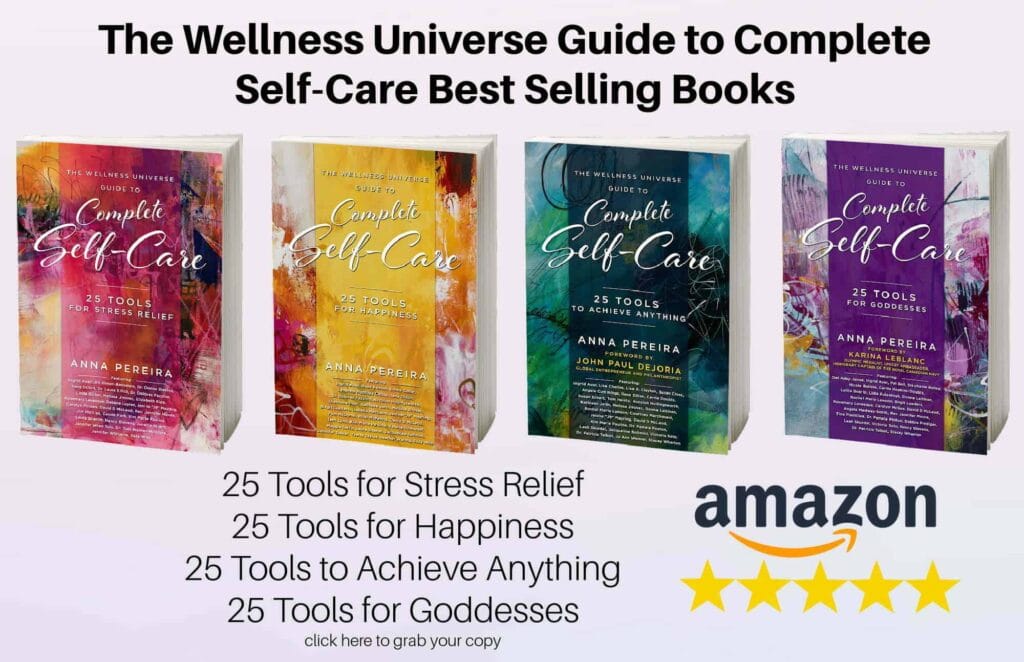
#1 Amazon Bestseller Available Now
The Wellness Universe Guide to Complete Self-Care:
25 Tools for Navigating Loss, Grief and Transition

Loss changes us—but we don’t have to navigate it alone.
The Wellness Universe Guide to Complete Self-Care: 25 Tools for Navigating Loss, Grief & Transition brings together compassionate guidance, personal stories, and practical tools from wellness professionals who understand the many ways grief can enter our lives—from death and heartbreak to identity shifts, caregiving, major life changes, and the quiet losses we don’t always know how to name.
With a foreword by Gloria Gaynor, this deeply human collection offers support for meeting change with greater tenderness, resilience, and hope.
Wherever you are in your journey, there is something here to help you take the next step.
📖 Available now on Amazon.
Get Your Copy Today for only $1.99!


The Wellness Universe is your resource for health, wellness, well-being, and transformation. We serve and support professionals who make the world a better place and individuals and groups who seek their best life.
A woman owned company; having the vision in 2013, Anna Pereira launched the first directory in 2015 bringing together a community of members making the world a better place to be found by those seeking their best life. The Wellness Universe has grown since then to be a one-stop shop for total wellness support! We are a vetted community, online directory, book publisher, resource center, event producer, content platform, and so much more, supporting whole-health and well-being on a global scale.
The Wellness Universe is a home that connects industry professionals in the health, wellness, and well-being fields to seekers of total well-being. WU provides our WU World-Changer members with peer support, Wellness Universe produced events (live and online), projects, visibility, business mentoring, and community. Through The Wellness Universe our WU World-Changer members serve WU Friends, seekers of health, wellness and transformation, with coaching, workshops, content and more.
The Wellness Universe provides individuals and groups seeking their best lives with access to our members, wellness content, educational resources, and guidance in all areas of wellness to transform visions of how they want to live life into the life they experience.
Through the directory, WU Featured Blog, SoulTreat wellness retreat, Self-Care Books, group well-being programs, and online learning center, The Lounge, The Wellness Universe provides many avenues to support whole health, mind, body, spirit and planet.
Join us today! Wellness Professional or Seeker of Your Best Life