

Do you know that we spend 90% of our time at home? Interesting, right? And yet somehow we feel more foggy and disillusioned, as if our thinking bits are dying. Well, we can point the finger at societal pressure this era is facing, but what if I tell you it is more related to the place we’re residing in? In 2021, approximately 2.9 million deaths were caused by household pollution, mainly due to poorly ventilated homes and the use of solid fuels for cooking and heating. Moreover, cleaning supplies, smoking, broiler burning, humidity, and other factors contribute to major health problems.
Therefore, household pollution has become a global issue that requires our immediate attention. This article is here to tell you that our homes are one of the biggest causes of our jittery, restless minds.
How Air Quality Affects Your Mind
Poor air quality has devastating effects on the mind. The National Institute of Environmental Health Sciences reports that exposure to certain pollutants, such as particulate matter (PM), oxides of nitrogen, endotoxins, and allergens, can impair cognitive performance, especially among children. It can reduce attention, focus, memory and decision-making, leading to frustration and stress. Science suggests that when we inhale pollutants, it sets off a bit of a “fire” in the body. It can cause:
- Inflammation in the brain and nervous system.
- Oxidative stress (think of it like biological “rusting”).
- Damage to the blood-brain barrier, which is supposed to keep toxins out of your head.
In addition, new data shows that practices such as unclean cooking methods, burning incense or mosquito coils, and secondhand smoke are hitting older adults particularly hard. These habits aren’t just minor annoyances; they are strongly linked to sleep disorders and depression. Essentially, what we’re breathing in at home is doing more than just irritating our lungs—it’s clouding our minds and weighing down our moods.
Who Feels It Most
Polluted air isn’t going to free anybody; however, some folks are more vulnerable than others. They include:
- Children: Their lungs and immune systems are still developing, and they breathe more air per body weight than adults. Exposure to indoor pollutants like smoke, mold, or chemical fumes can trigger asthma, allergies, and long-term respiratory or cognitive issues.
- Older adults: Aging lungs and declining immune function make older adults more susceptible to the effects of pollutants. Poor indoor air can worsen heart and lung conditions, cause fatigue, and increase the risk of cognitive decline.
- People with preexisting health conditions: Those with asthma, chronic obstructive pulmonary disease (COPD), cardiovascular disease, or immune deficiencies are especially sensitive. Even low levels of pollutants can trigger severe symptoms.
- Pregnant women: Exposure to certain indoor chemicals, smoke, or pollutants can affect fetal development, increasing the risk of low birth weight, preterm birth, or developmental issues.
What Helps: Beat Indoor Air Pollution
As we have discussed the harms of poor air quality, now it is high time to understand the remedies. It’s about making smarter, intentional moves where you spend the most time. Think of your home as a living lung; if it can’t breathe, neither can you.
Therefore, the simplest fix is ventilation. When the weather is on your side, crack those windows and let the stale air out. In “high-moisture” zones like the kitchen or bathroom, your exhaust fans are your best friends, so use them religiously to suck out fumes and dampness before they settle. If you really want to level up, a high-quality air purifier with a HEPA filter can act as a 24/7 security guard for your brain and lungs.
Humidity is another balancing act. You want to keep your home between 30–50% humidity; any higher, and you’re basically sending out an open invite for mold, mildew, and dust mites to move in. You should also be a skeptic about the chemicals you bring inside. Swap out harsh, “chemical-heavy” cleaners and high-VOC paints for natural or low-emission alternatives. If a product smells like a laboratory, it’s probably not great for your cognitive health.
Dust and allergens are heavy hitters, but you can pin them down with a solid routine: frequent vacuuming, hot-water laundry, and clear carpets make a world of difference. It should go without saying, but keep the smoke outside as secondhand smoke is a total dealbreaker for both air quality and mental clarity.
Don’t overlook the small wins, either. Flicking on the range hood while you cook and adding a few houseplants can provide that extra layer of natural filtration. By making these quick shifts, you aren’t just clearing the air; you’re paving the way for deeper sleep, sharper focus, and a much healthier home.
Ultimately, your home should be your sanctuary, not a source of invisible stress. When you realize that “brain fog” isn’t just in your head—it’s in the air—you gain the power to change it.
References:
- U.S. Environmental Protection Agency. (2025, September 10). Introduction to indoor air quality. U.S. EPA. https://www.epa.gov/indoor-air-quality-iaq/introduction-indoor-air-quality
- World Health Organization. (2025, December 16). Household air pollution and health [Fact sheet]. WHO. https://www.who.int/news-room/fact-sheets/detail/household-air-pollution-and-health
- Torkington, S. (2024, November). Indoor air pollution: What causes it and how to reduce it. World Economic Forum. https://www.weforum.org/stories/2024/11/what-causes-indoor-air-pollution-sources-how-to-reduce/
- National Institute of Environmental Health Sciences. (2026, January 28). Indoor air quality. NIEHS. https://www.niehs.nih.gov/health/topics/agents/indoor-air
- Wang, X., Chen, Y., Zhao, H., Liu, J., & Li, Q. (2024). Effect of air pollutants particulate matter (PM2.5, PM10), sulfur dioxide (SO₂) and ozone (O₃) on cognitive health. Scientific Reports, 14, Article 70646. https://doi.org/10.1038/s41598-024-70646-6
SoulTreat Retreat 2026
April 28 – May 1
Give yourself the gift of loving self-care. Come to SoulTreat!

 The therapeutic retreat you need!
 Take me to SoulTreat
A Transformational Journey Workshops
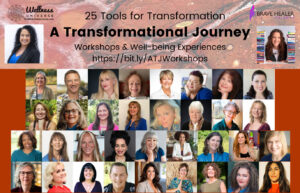
Ready for growth, healing, and inspiration?
Dive deep into the very tools and insights shared by our expert authors in The Wellness Universe Guide to Complete Self-Care, 25 Tools for Transformation! Brought to life in engaging, interactive workshops designed to empower and inspire you. Each author leads a workshop built around the
unique strategies they’ve contributed to this book, giving you firsthand
access to the wisdom behind the pages.
👉 Register here: https://bit.ly/ATJWorkshops
#1 BEST SELLER AVAILABLE NOW!
The Wellness Universe Guide to Complete Self-Care, 25 Tools for Transformation
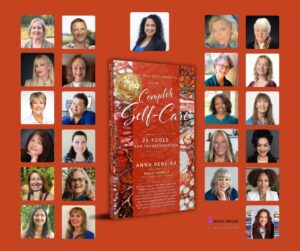
Ready for a gentle reset with real momentum? The Wellness Universe Guide to Complete Self-Care: 25 Tools for Transformation is a 5-star Amazon favorite, and readers say,
“This book should be your bedside table guidebook.”
Open to any page, choose a tool, and let one small shift become your next breakthrough.


The Wellness Universe is your resource for health, wellness, well-being, and transformation. We serve and support professionals who make the world a better place and individuals and groups who seek their best life.
A woman owned company; having the vision in 2013, Anna Pereira launched the first directory in 2015 bringing together a community of members making the world a better place to be found by those seeking their best life. The Wellness Universe has grown since then to be a one-stop shop for total wellness support! We are a vetted community, online directory, book publisher, resource center, event producer, content platform, and so much more, supporting whole-health and well-being on a global scale.
The Wellness Universe is a home that connects industry professionals in the health, wellness, and well-being fields to seekers of total well-being. WU provides our WU World-Changer members with peer support, Wellness Universe produced events (live and online), projects, visibility, business mentoring, and community. Through The Wellness Universe our WU World-Changer members serve WU Friends, seekers of health, wellness and transformation, with coaching, workshops, content and more.
The Wellness Universe provides individuals and groups seeking their best lives with access to our members, wellness content, educational resources, and guidance in all areas of wellness to transform visions of how they want to live life into the life they experience.
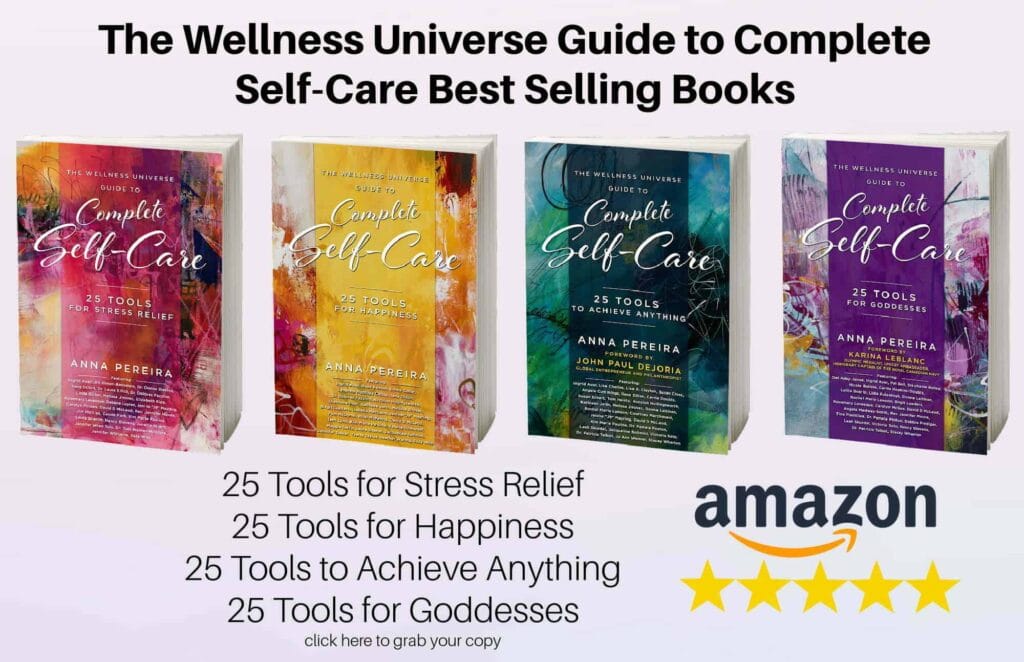
Through the directory, WU Featured Blog, SoulTreat wellness retreat, Self-Care Books, group well-being programs, and online learning center, The Lounge, The Wellness Universe provides many avenues to support whole health, mind, body, spirit and planet.
Join us today! Wellness Professional or Seeker of Your Best Life

Thank you, The Wellness Universe, this article is an important reminder that our homes truly shape our well-being. It’s eye-opening to realize how much the air we breathe affects our clarity, mood, and overall health. I appreciate the practical tips and the gentle nudge to make our living spaces supportive and nurturing.